
Pasture, practical husbandry, and an honest explanation of what happens behind the farm gate.
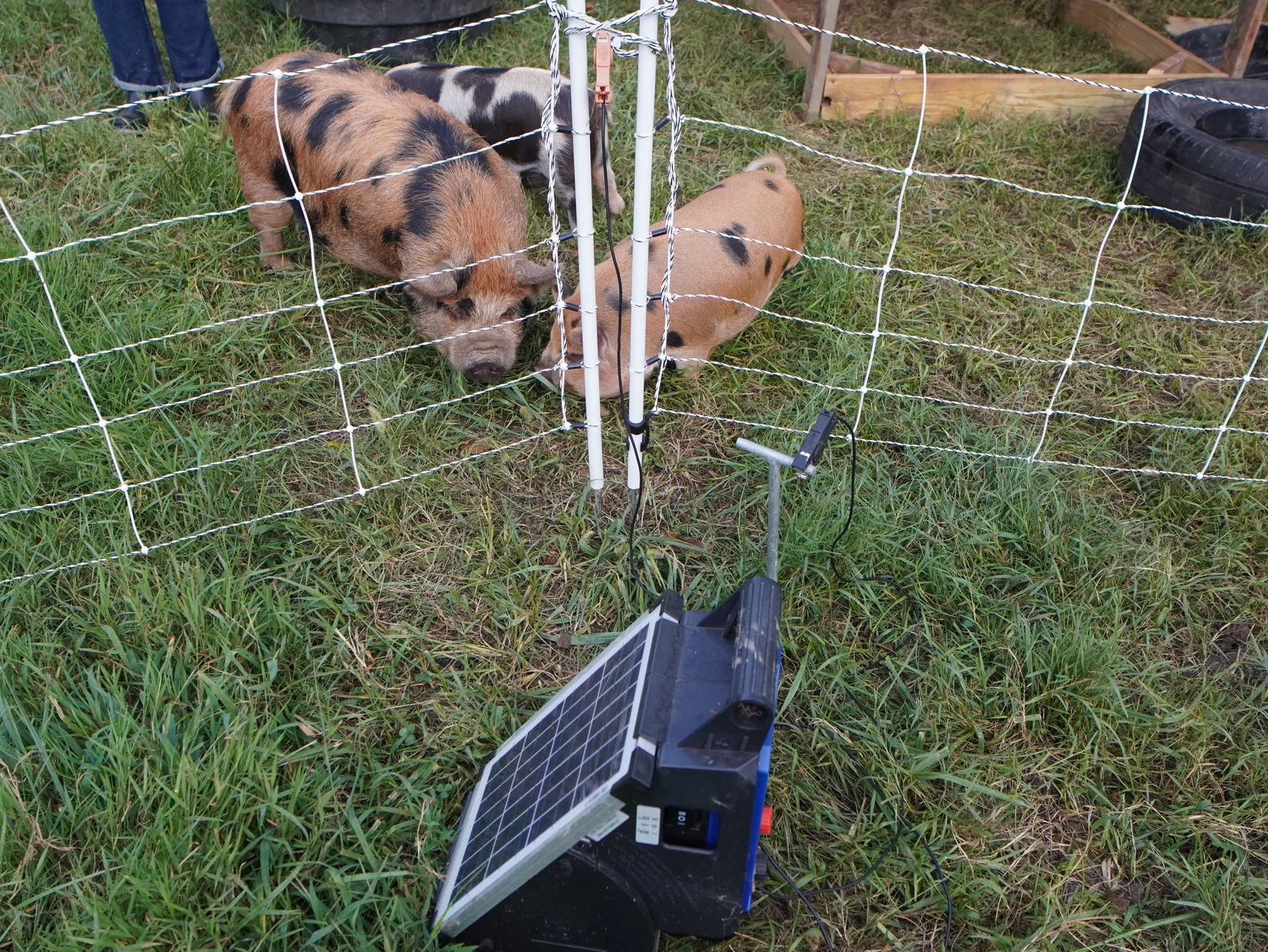
Smoky Mountain Acres is a growing family farm in Cosby, Tennessee. Our pigs, chickens, and sheep are raised as part of a pasture-based system where the land is an active part of their daily lives.
That does not mean every animal eats grass all day or that pasture removes the need for good feed. It means we make room for natural behavior, pay attention to the ground, and adjust our care as animals and seasons change.
This page explains what we mean when we say pasture-raised and organic feed, so the people who visit, buy from, or follow our farm can understand the practices behind those words.
Each species uses the same landscape in its own way.
Kune Kune pigs spend time outdoors rooting, exploring, grazing, and searching for plants, roots, insects, and other food. Pasture is paired with balanced supplemental feed rather than treated as a complete diet.
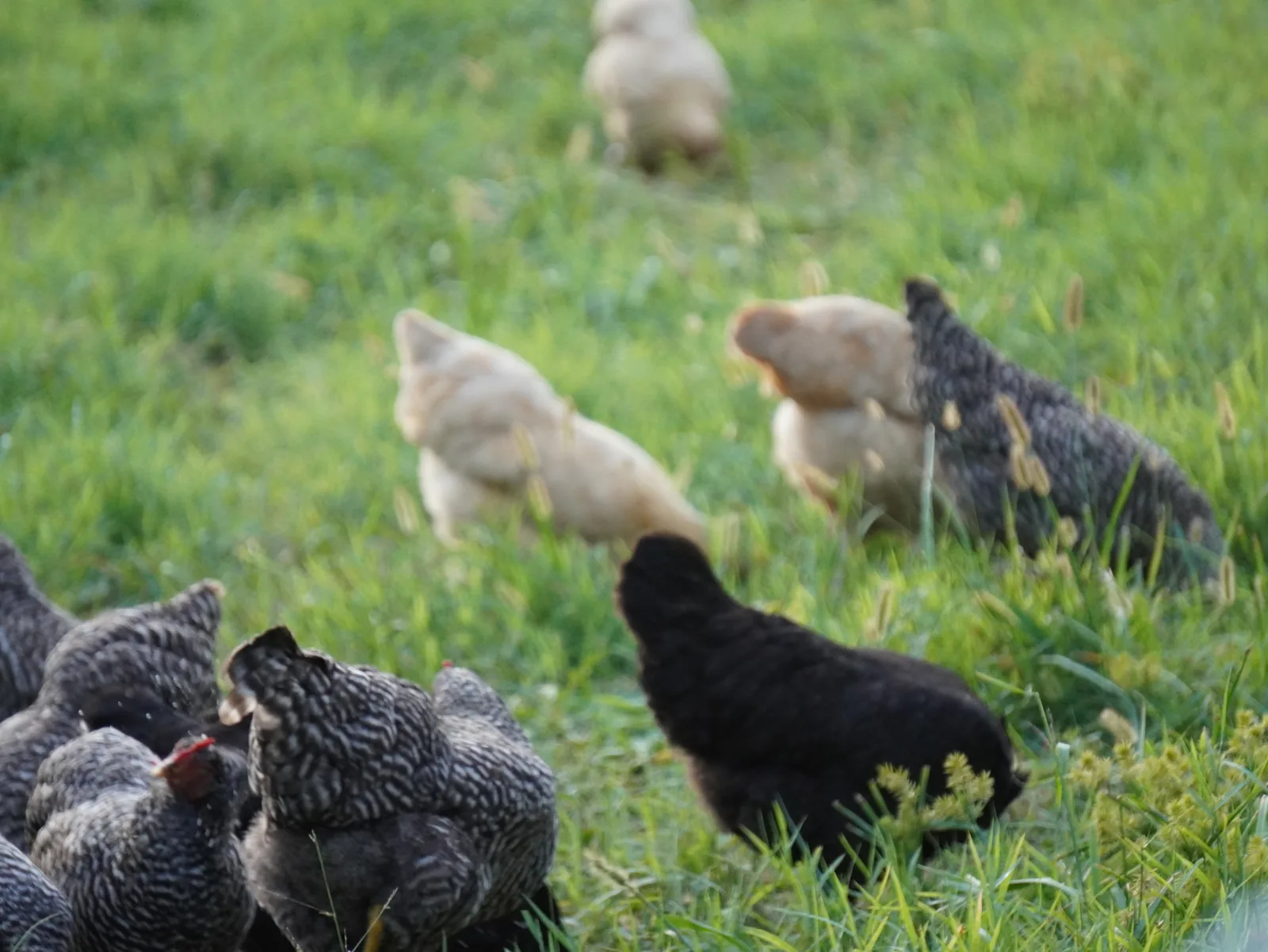
Our chickens spend time outside scratching through grass and leaves, looking for insects, seeds, and plants. They also receive poultry feed designed to support their nutritional needs and egg production.
Sheep are grazing animals, so forage is central to their care. They move through pasture eating grasses, clover, and other suitable plants, with hay, minerals, or supplemental feed added when conditions require it.
Yes. When supplemental feed is needed, we choose organic feed appropriate for the species. Pasture, forage, and natural behaviors remain important parts of the system, but they do not replace the responsibility to meet an animal's nutritional needs.
This describes the feed we choose. It is not a claim that our animals or farm products are USDA Certified Organic. USDA Organic certification is a specific regulatory designation with its own requirements and certification process, and we will use that term only if we hold the applicable certification.
In plain language: pasture first, organic feed for supplementation, and no conventional feed as our standard feeding program.
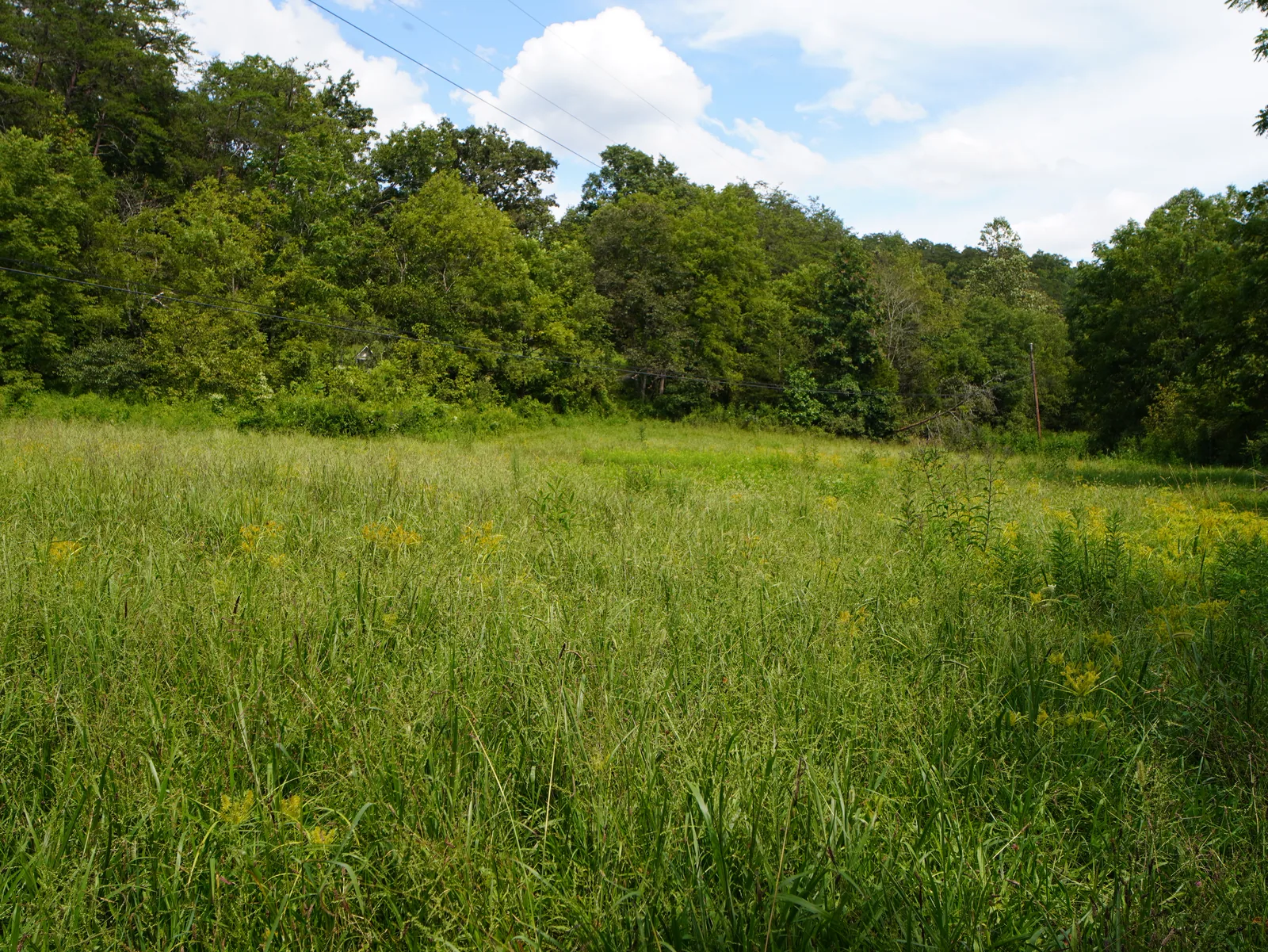
We do not use synthetic fertilizers or pesticides on our farm. Instead, we focus on the slower work of building a useful pasture system: observing the land, managing animal pressure, encouraging forage, and allowing ground to rest.
This is a working system, not a promise that every field looks perfect. Healthy pasture can include grass, weeds, leaves, bare scratching spots, shade, and areas recovering from use.
Good animal care is a daily practice, not a label.
Animals are regularly observed and handled so routine care can be calmer and safer for everyone. We aim for low-stress interactions and pay attention to each animal's temperament.
Clean water, suitable shelter, nutrition, pasture, observation, and prevention all matter. We adapt care to the species, weather, season, age, and condition of the animal.
Because we welcome farm visitors, we value animals that are accustomed to regular human presence. Socialization does not mean every animal behaves the same, so visits remain supervised and respectful.
Pasture changes throughout the year. Spring growth, summer heat, autumn forage, and winter dormancy all affect what the land can provide.
When pasture growth slows, we do not make unrealistic "grass only" claims. Sheep may rely more heavily on hay, pigs may need more supplemental feed, and chickens find fewer insects and growing plants. We adjust feeding, shelter, and pasture use to match the conditions.
It means describing our practices plainly and keeping claims specific. We want people to be able to ask what the animals eat, where they live, how we manage pasture, and what our use of the word "organic" does and does not mean.
The farm is still growing, and our practices will keep developing with the land and animals. We would rather explain the real work, including its seasonal limits, than make the farm sound simpler or more certified than it is.
Ask Us About Our PracticesHave a question about the farm, our animals, or future farm visits? Get in touch and we’ll help you with the details.
Learn more about visiting Smoky Mountain Acres in Cosby, Tennessee, our private farm tours, family activities, and the animals and farm products we offer.
Smoky Mountain Acres is located in Cosby, Tennessee, near Cosby Campground and the Great Smoky Mountains National Park. We are a convenient stop for families visiting the Smoky Mountains, Gatlinburg, Cosby, and the surrounding East Tennessee area.
Our farm tours give visitors a chance to experience a working family farm in the Smoky Mountains. Depending on the animals and season, guests may be able to pet animals, feed animals, meet our pigs, sheep, and chickens, explore the farm, and enjoy play equipment for children.
Yes. Smoky Mountain Acres is designed to be a family-friendly farm experience. Children can see farm animals up close, learn about life on a small Appalachian farm, and enjoy our outdoor play equipment. Farm tours are a good activity for families looking for things to do near Cosby and the Great Smoky Mountains.
It means our pigs, chickens, and sheep have meaningful access to pasture where they can root, scratch, forage, or graze. Pasture is part of their living environment, but it does not mean every animal eats grass only or never receives supplemental feed.
Yes. When supplemental feed is needed, we choose organic feed appropriate for each species. This describes the feed we use and does not mean our animals or products are USDA Certified Organic unless the applicable certification is in place.
We do not use synthetic fertilizers or pesticides on our farm. We manage the land through observation, animal movement, pasture rotation, forage recovery, and seasonal adjustments.
Pasture growth slows in winter, so we adjust care realistically. Sheep may rely more on hay, pigs may need more supplemental feed, and chickens find fewer insects and growing plants. We provide appropriate feed, stored forage, shelter, and water as conditions require.
Our animals are handled and observed regularly, and many are comfortable and curious around people. They still have individual temperaments, so all farm-tour interactions are calm, supervised, and guided by animal welfare.
Yes, when conditions allow. One of the highlights of visiting Smoky Mountain Acres is interacting with our farm animals. Guests may have opportunities to pet and feed pigs, sheep, chickens, and other animals under our supervision.
Yes. We periodically offer pigs for homesteads, breeding, pets, or whole-hog meat purchases, along with sheep, chickens, and farm-fresh chicken eggs. Availability changes throughout the year, so contact Smoky Mountain Acres for current livestock and farm product availability.
Yes. Smoky Mountain Acres raises Kune Kune pigs and may have pigs available for families looking for a farm pet, homestead livestock, breeding animals, or pasture-raised pork. We also periodically offer whole pigs for meat. Contact us for current pigs, piglets, pricing, and availability in Cosby, Tennessee.
No. Our current hog offering is whole hogs by reservation when available. We do not sell packaged meat or individual retail cuts.
Eggs are currently sold out. Availability changes with daylight, weather, flock size, molting, and season. You can request an update through the livestock page or join the farm list.
We have a dairy cow and a herd-share option for pet milk, but it is currently sold out. Use the availability request form to ask about future openings and details.
Check the livestock availability page, contact the farm, or join the Farm List. We send occasional updates about whole hog reservations, eggs, pet milk herd shares, chickens, livestock, and farm tours.
Visit the Join the Farm List page and submit your name, email, and the updates you care about. Joining the list does not reserve an animal or product; it keeps you informed when something is actually available.
ASK FOR STREET, Cosby, TN 37722