
The History of Appalachian Farming
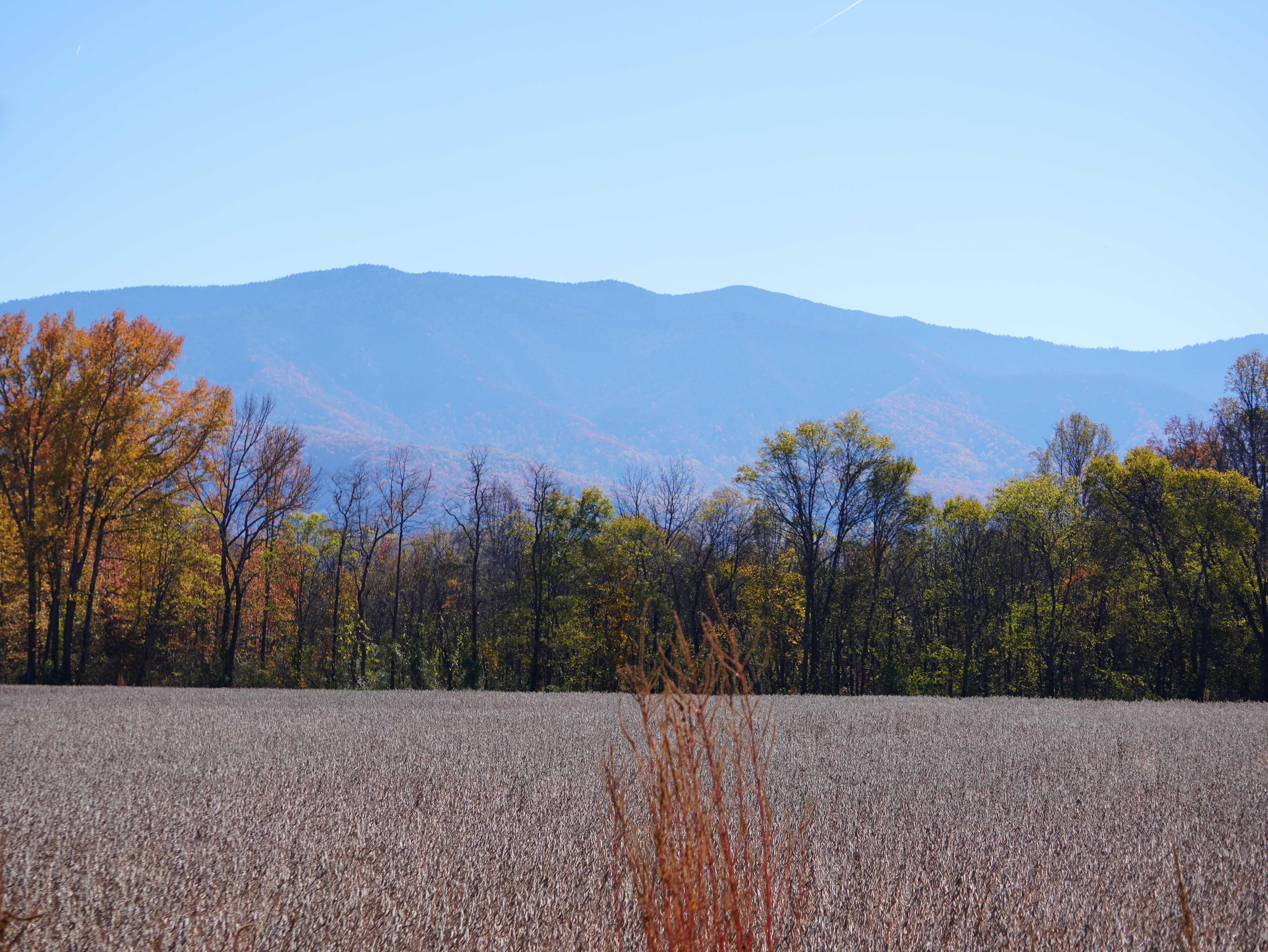
Appalachian farming developed differently from agriculture in many flatter parts of the United States.
Steep mountains, narrow valleys, abundant forests, and relatively isolated communities encouraged families to build small, diversified farms.
Small Family Farms
Many Appalachian farms were operated primarily by families.
Large fields were difficult to establish on mountainous land, so families often worked smaller patches of fertile ground near creeks, river bottoms, and mountain valleys.
A typical farm might include a garden, cornfield, orchard, livestock, woodlot, and several small outbuildings.
Growing Food for the Family
The primary goal of many mountain farms was not large-scale commercial production.
It was feeding the household.
Families grew vegetables such as beans, cabbage, potatoes, squash, and corn.
Food preservation was essential because fresh crops were only available during part of the year.
Families dried, canned, smoked, salted, fermented, or stored foods to survive the winter.
Livestock on the Farm
Animals played several roles.
Chickens provided eggs and meat.
Hogs could convert scraps, crops, and forage into pork.
Cows supplied milk, butter, and sometimes meat.
Horses and mules provided transportation and farm labor.
Sheep and goats could make productive use of rougher land.
Hogs and the Appalachian Farm
Pigs were particularly useful because they could be raised on relatively limited resources.
Historically, hogs could forage in wooded areas where they consumed nuts, roots, vegetation, and other available food.
Pork could then be preserved through salting and smoking.
Orchards and Gardens
Fruit trees were common on many mountain farms.
Apples were especially valuable because they could be eaten fresh, dried, cooked, preserved, or made into cider and apple butter.
Kitchen gardens provided vegetables, herbs, and medicinal plants close to the home.
Using the Entire Landscape
Appalachian farmers learned to use different parts of their land for different purposes.
Bottomland could grow crops.
Hillsides could support livestock.
Forests provided firewood, timber, wild foods, and hunting.
Creeks supplied water.
The farm functioned as a collection of interconnected resources.
Appalachian Farming Today
Modern homesteading often uses newer tools, fencing, equipment, and veterinary knowledge.
However, many of the underlying principles remain the same: diversify, use the land efficiently, preserve food, raise adaptable livestock, and avoid wasting useful resources.
These ideas continue to make Appalachian farming relevant to small farms today.