
A Brief History of Cosby, Tennessee
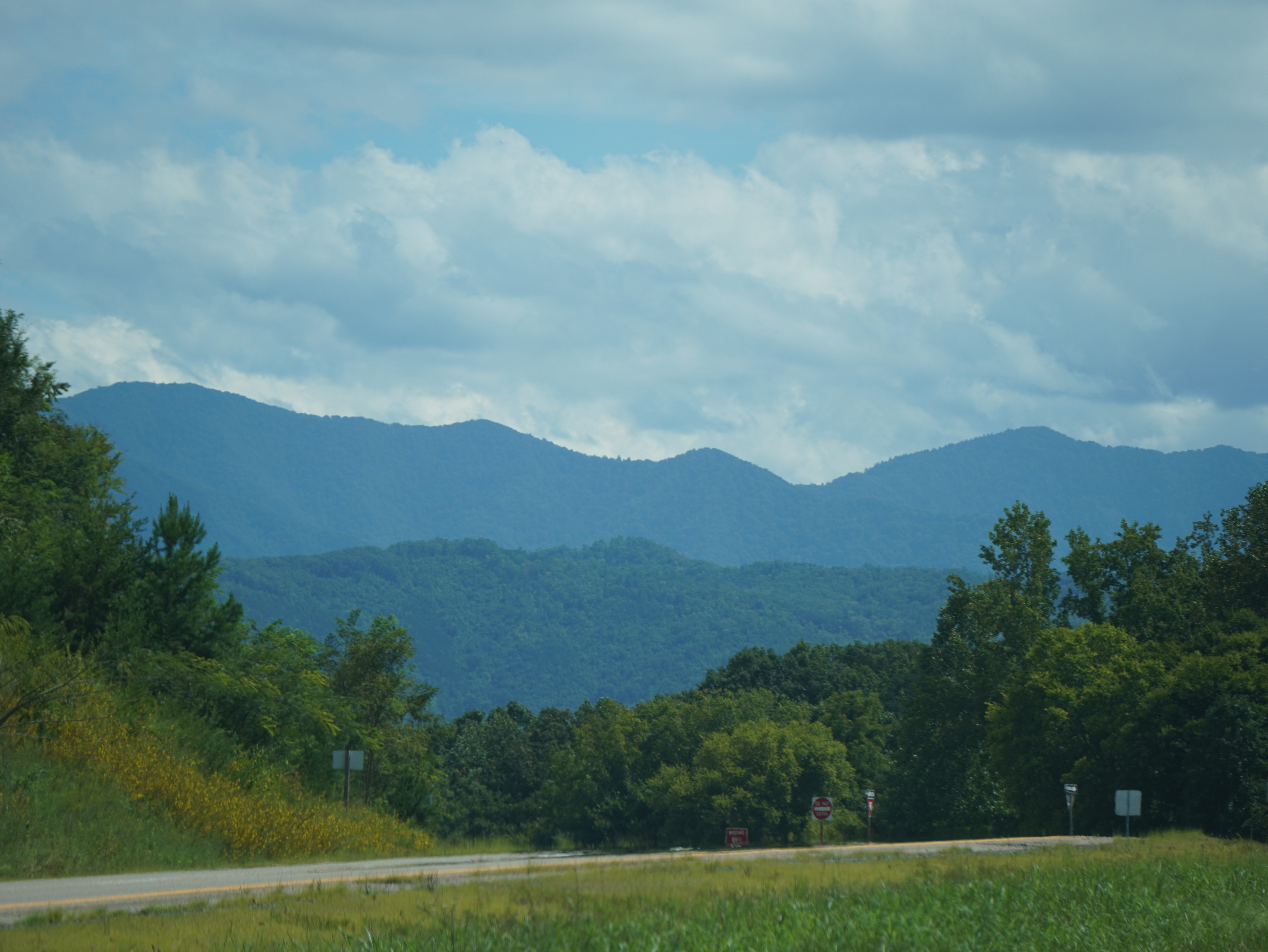
Cosby, Tennessee sits along the northeastern edge of the Great Smoky Mountains and has long been shaped by Appalachian mountain life.
Before modern highways and tourism, families in the Cosby area depended heavily on farming, livestock, timber, hunting, and local trade.
Mountain Communities
The rugged landscape of East Tennessee influenced how early communities developed.
Instead of large plantations or expansive commercial farms, many families lived on smaller mountain homesteads.
Creeks, hollows, ridges, and fertile bottomland determined where homes, barns, fields, and roads were built.
Farming in Cosby
Agriculture was an essential part of daily life.
Families commonly raised crops such as corn, beans, potatoes, and garden vegetables.
Livestock could include chickens, hogs, cattle, horses, sheep, and goats.
A farm often had to provide much of what a family needed throughout the year.
The Importance of Corn
Corn was particularly important in Appalachian agriculture.
It could be eaten by people, fed to livestock, ground into meal, and stored for later use.
Corn also became associated with one of the more famous parts of Cosby's history: moonshine.
Cosby and Moonshine
Cosby became widely associated with illicit whiskey production during the twentieth century.
The mountainous terrain, abundant water, and relative isolation made the region well suited to hidden stills.
For some mountain families, distilling offered a way to turn inexpensive crops such as corn into a product that could generate much-needed cash.
The Great Smoky Mountains National Park
The creation of Great Smoky Mountains National Park during the twentieth century changed communities throughout the region.
Land use shifted, tourism increased, and the economy became less dependent on subsistence agriculture.
Today, Cosby serves as both a residential mountain community and a gateway to the national park.
Preserving Appalachian Farm History
Many of the old farming practices have disappeared as agriculture became more industrialized.
Small farms and homesteads can still preserve parts of that history by raising livestock, maintaining gardens, using traditional structures, and teaching visitors how Appalachian families once lived from the land.