Visiting the Smoky Mountains With Kids: Why a Farm Tour Belongs on Your Itinerary

The Smoky Mountains offer plenty of ways to fill a family vacation: hiking trails, mountain views, museums, shows, and attractions in Gatlinburg and Pigeon Forge. But sometimes the most memorable part of a trip is the simplest - watching a pig graze, hearing a rooster crow, or seeing where food actually comes from.
A visit to a small working farm gives children something different from the usual tourist experience. Instead of moving from one attraction to the next, they get to slow down, ask questions, and discover how animals and people fit into the landscape around them.
At Smoky Mountain Acres in Cosby, Tennessee, we're building a family farmstead rooted in that kind of experience. Our farm is small, our animals are real, and our goal is to share what we're learning about raising food and livestock in the foothills of the Smokies.
A Different Kind of Smoky Mountain Experience
Gatlinburg and Pigeon Forge are known for their busy attractions, but the surrounding communities have a different story to tell. Cosby offers a quieter side of the mountains, with rural roads, family farms, creeks, and access to the national park.
A farm visit is an opportunity to experience that side of East Tennessee.
Children can see animals in their everyday environment rather than only as displays. They can learn why a farmer moves fencing, how a chicken produces an egg, and what goes into caring for livestock throughout the year. Adults often find themselves asking just as many questions.
The purpose is not to recreate a theme park. It is to share a small piece of actual Appalachian farm life.
What Children Can Learn on a Farm
Where Food Comes From
Many children know that milk comes from a cow and eggs come from chickens, but they have never seen the work behind those foods.
A farm experience can connect familiar groceries to real animals, soil, pasture, and daily responsibilities. Depending on the season and the animals present, children may learn about egg production, animal feed, grazing, gardening, and how livestock contributes to a farm's food supply.
These lessons are especially useful for families interested in homeschooling, agriculture, or simply helping their children understand the world beyond a grocery store.
Animals Have Different Personalities
Pigs, chickens, sheep, goats, and cattle all behave differently. Even animals of the same species have individual personalities.
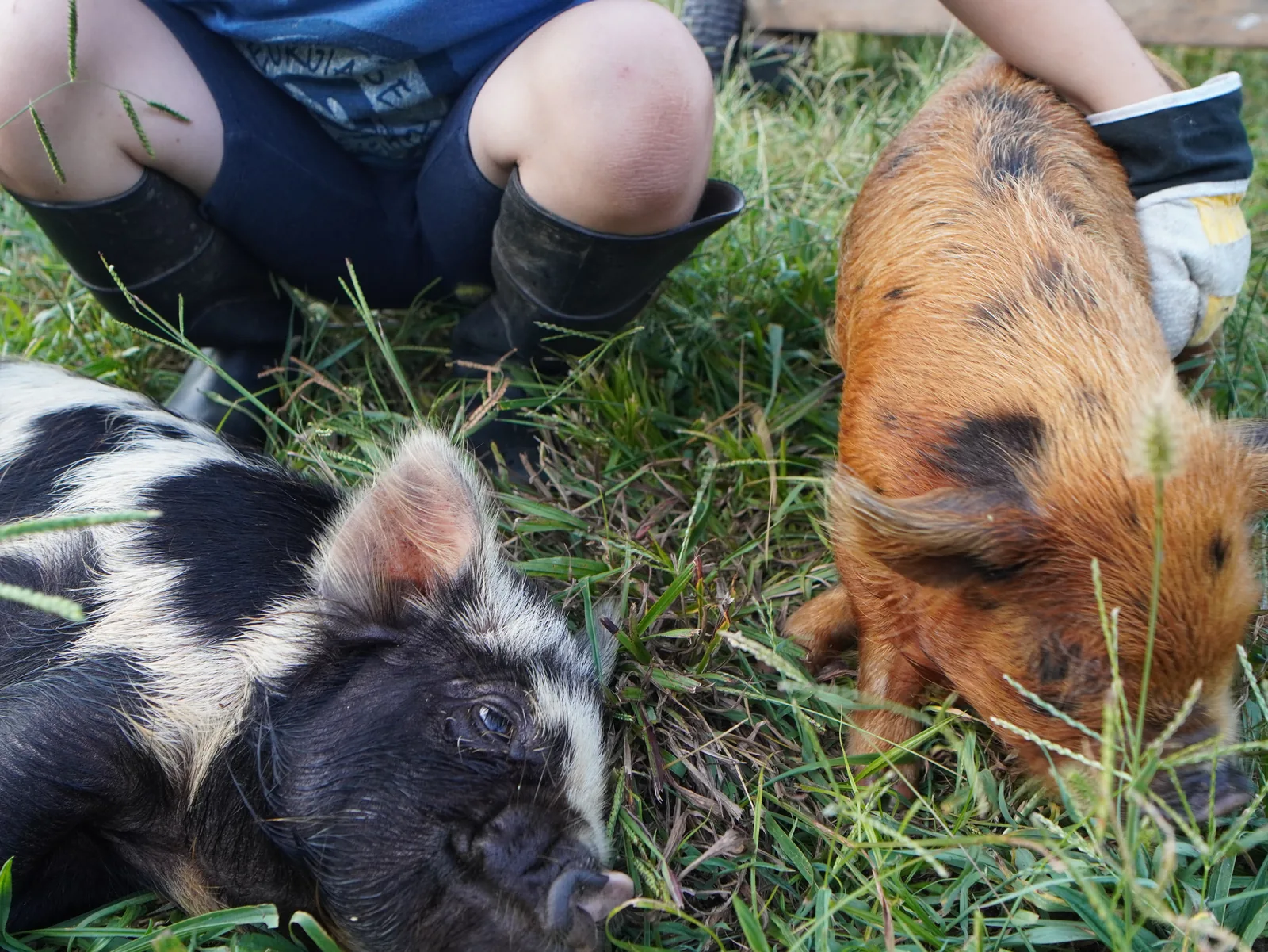
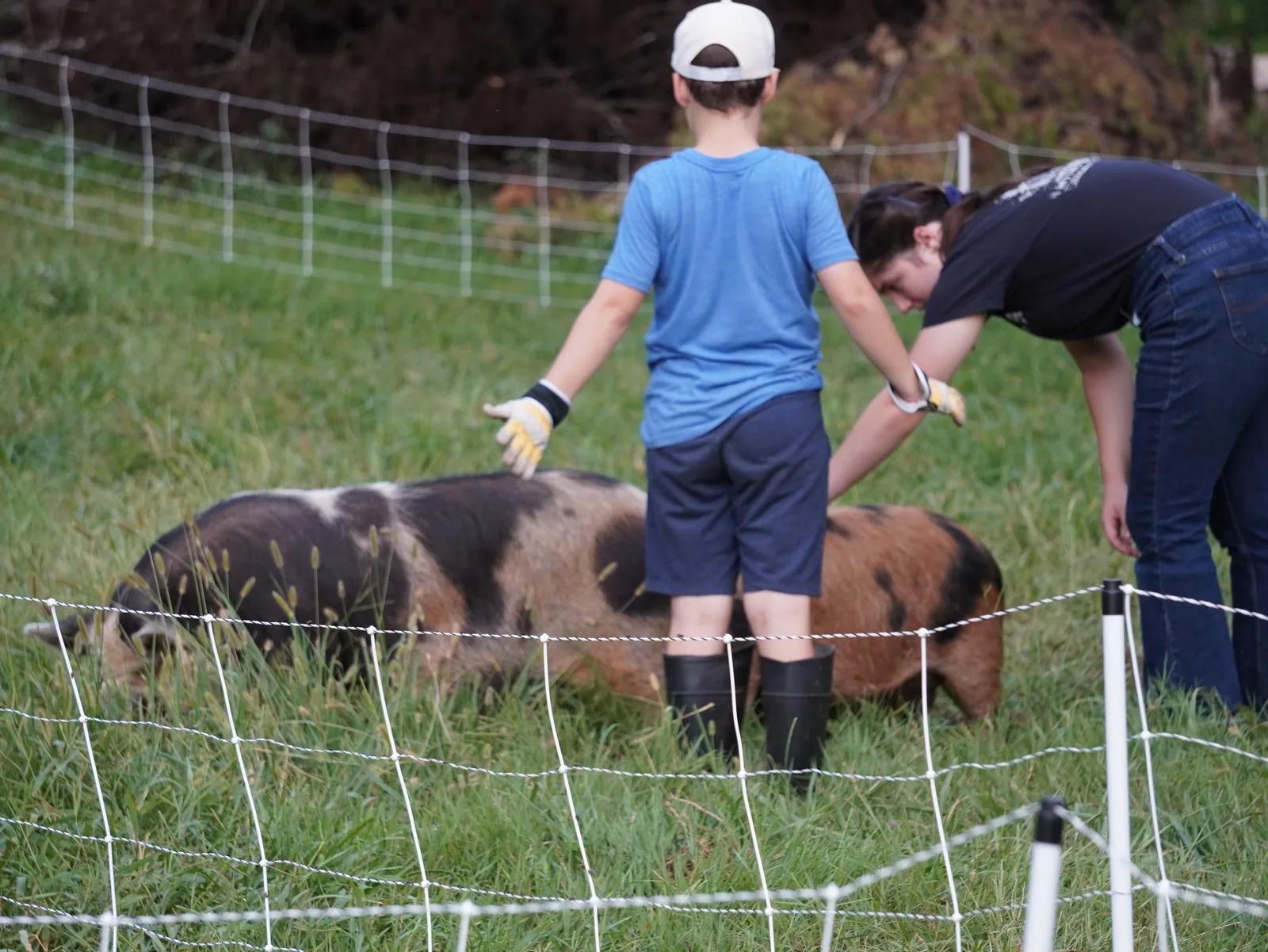
Watching a pig explore its pasture or a flock of chickens establish its pecking order can lead to questions about animal behavior, nutrition, and responsible care. Children learn that livestock are living creatures with needs, not just characters in a storybook.
Farming Requires Daily Work
A working farm is not always clean, perfectly organized, or picture-ready. Animals need fresh water, shelter, fencing, feed, and attention regardless of the weather.
Seeing those responsibilities helps children understand the connection between work and the food we eat. It can also encourage respect for farmers and the practical skills that have supported Appalachian families for generations.
Why a Small Farm Can Be Better for Curious Kids
Large attractions are designed to move many visitors through a scheduled experience. A small farm can offer something more personal.
At Smoky Mountain Acres, our vision is to provide private, family-oriented tours where visitors have room to ask questions and learn at a comfortable pace. We want children to be able to observe animals, understand what they're seeing, and hear honest answers about how we care for them.
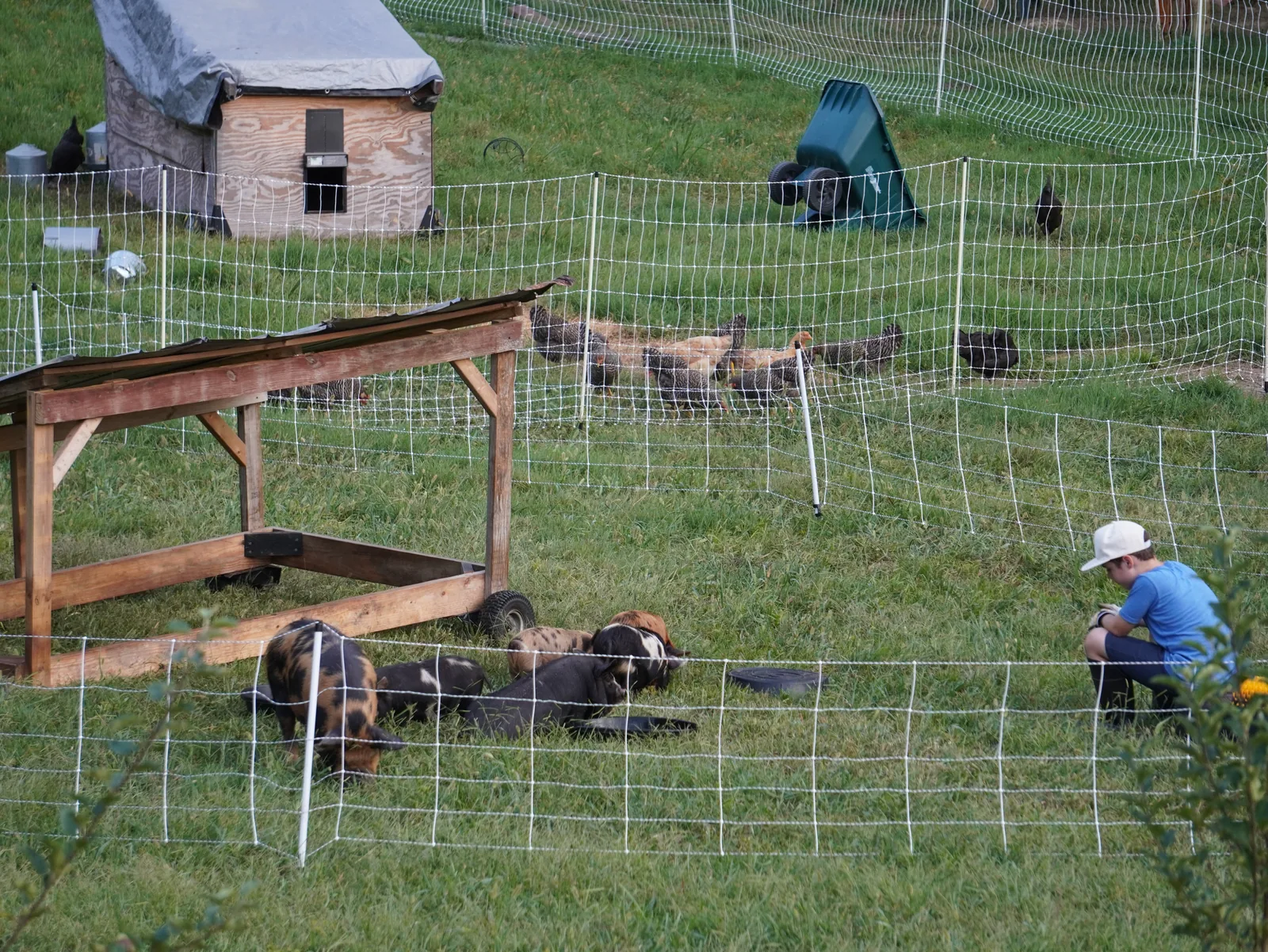
We also want visitors to see what a small farm actually looks like. We do not have hundreds of acres or a collection of perfect, storybook barns. Our farmstead is approximately three acres, and we use practical methods such as movable electric fencing to manage animals and pasture.
That reality is part of the educational value. It shows families that raising food does not always require a massive property or expensive infrastructure.
A Connection to Appalachian History
Agriculture has long been part of life in the mountains of East Tennessee. Families historically depended on gardens, livestock, preserved foods, and the ability to make practical use of the land around them.
Modern farming is different, but many of the underlying lessons remain valuable: caring for animals, managing resources, growing food, repairing equipment, and adapting to the seasons.
Our farmstead combines an interest in traditional Appalachian practices with modern animal-care and grazing methods. We want visitors to understand both the history and the practical realities of raising food today.
A farm tour can therefore become more than an animal encounter. It can be an introduction to local history, biology, agriculture, and the relationship between a community and its land.
What Makes Cosby Worth Exploring?
Cosby is located on the quieter eastern side of Great Smoky Mountains National Park. It is a useful destination for families who want to experience the mountains without spending every hour in the busiest tourist districts.
The Cosby area offers access to hiking, camping, scenic drives, and rural Appalachian scenery. The national park's Cosby Campground is a well-known base for visitors exploring this part of the Smokies.
A farm visit can fit naturally into a day spent exploring the area. Families might combine outdoor recreation with an educational stop, then return to their lodging with a better understanding of the place they've been visiting.
Rather than treating the mountains only as scenery, children get to meet some of the people and animals who call the region home.
What to Expect From a Working Farm
Farm tours are different from petting zoos. Animal availability, activities, and conditions can change with the season.
Some animals may be resting, nursing young, or temporarily separated for health or management reasons. Weather can affect the condition of the pasture, and certain areas may not be accessible to visitors. Young children should always remain with their parents or guardians, and animal interaction should follow the farmer's instructions.
Good farm experiences put animal welfare and visitor safety ahead of guaranteed entertainment.
Before visiting any farm, it is worth checking whether tours require reservations, which animals are currently available, what footwear is appropriate, and whether the farm offers hands-on interaction or observation only.
A Meaningful Addition to a Family Vacation
A trip to the Smoky Mountains does not need to be filled entirely with expensive attractions. Some of the best experiences come from learning something new together.
A farm tour can give children a chance to connect with animals, understand where food comes from, and experience a quieter part of Appalachian life. It can also give parents an opportunity to introduce practical lessons about responsibility, agriculture, and stewardship of the land.
At Smoky Mountain Acres, we're working toward sharing those experiences with visiting families while continuing to grow our own farmstead. We believe the most valuable thing we can offer is not a polished attraction, but an honest look at small-farm life.
For information about current tour availability, livestock, and our farm, visit our Farm Tours page or contact us.
Smoky Mountain Acres is a small family farmstead in Cosby, Tennessee, near Great Smoky Mountains National Park. Tour offerings and animal availability may vary as our farm develops.